
SPEAKER
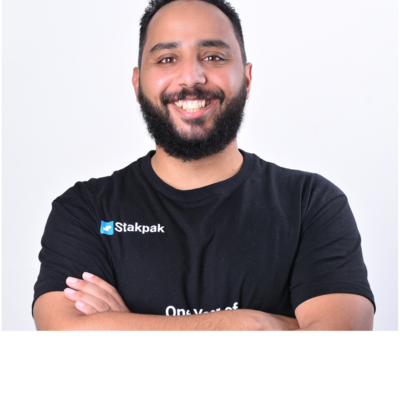
George Fahmy
MTS · Vercel, Founder of Stakpak
Member of Technical Staff at Vercel, where I work on making AI agents safe and reliable. I joined Vercel in 2026 when it acquired Stakpak, one of the first open-source DevOps agents. I founded Stakpak and bootstrapped it for two years before raising funding and moving to San Francisco. Before that, I was a founding engineer at Thndr (YC S20) and led product security at Levelset (acquired by Procore). I write about harness design and security at georgefa.com.
Upcoming sessions
See complete program4 November
12:25 PM · 30 min
One Harness API to Rule Them All
Most teams have stopped building agents from scratch. They build on Claude Code or Codex instead, and the interesting work has moved up one level: tools that run many agents, review bots, long running background tasks, factories that turn issues into PRs.
To build any of that, you need to program the harness. Start it, stream what it does, steer it, approve its tool calls, resume or fork a session, run it in a sandbox. Each lab ships an SDK for its own harness only. So every tool either commits to one lab or writes its own glue for each harness.
I think that's a missing layer, and I've been trying to build it as an open-source Harness SDK. In this talk I'll share where it stands, the earlier attempts that didn't work, how harnesses differ in ways that make them hard to abstract, and the problems we're still working through.
I'll end with a few demos of tools I built with Harness SDK.