As AI coding agents evolve, they are not just assisting but proactively shaping software development, prompting crucial reflections on the future roles and responsibilities of human developers.
This article explores the innovative AGENTS.md framework, detailing how recursive agent orchestration and persistent memory can enhance collaborative learning, improve efficiency, and transform AI interactions across multiple tasks.
This article explores the evolution from vibe coding to spec-driven development, emphasizing how structured specifications can enhance productivity and overcome limitations in AI-native engineering practices.
LLMs are getting bigger, but most developers still have to work within tight limits on speed, cost, and hardware. MiniMax M2.1 is an attempt to square that circle: a large model that behaves more like a much smaller one at inference time.
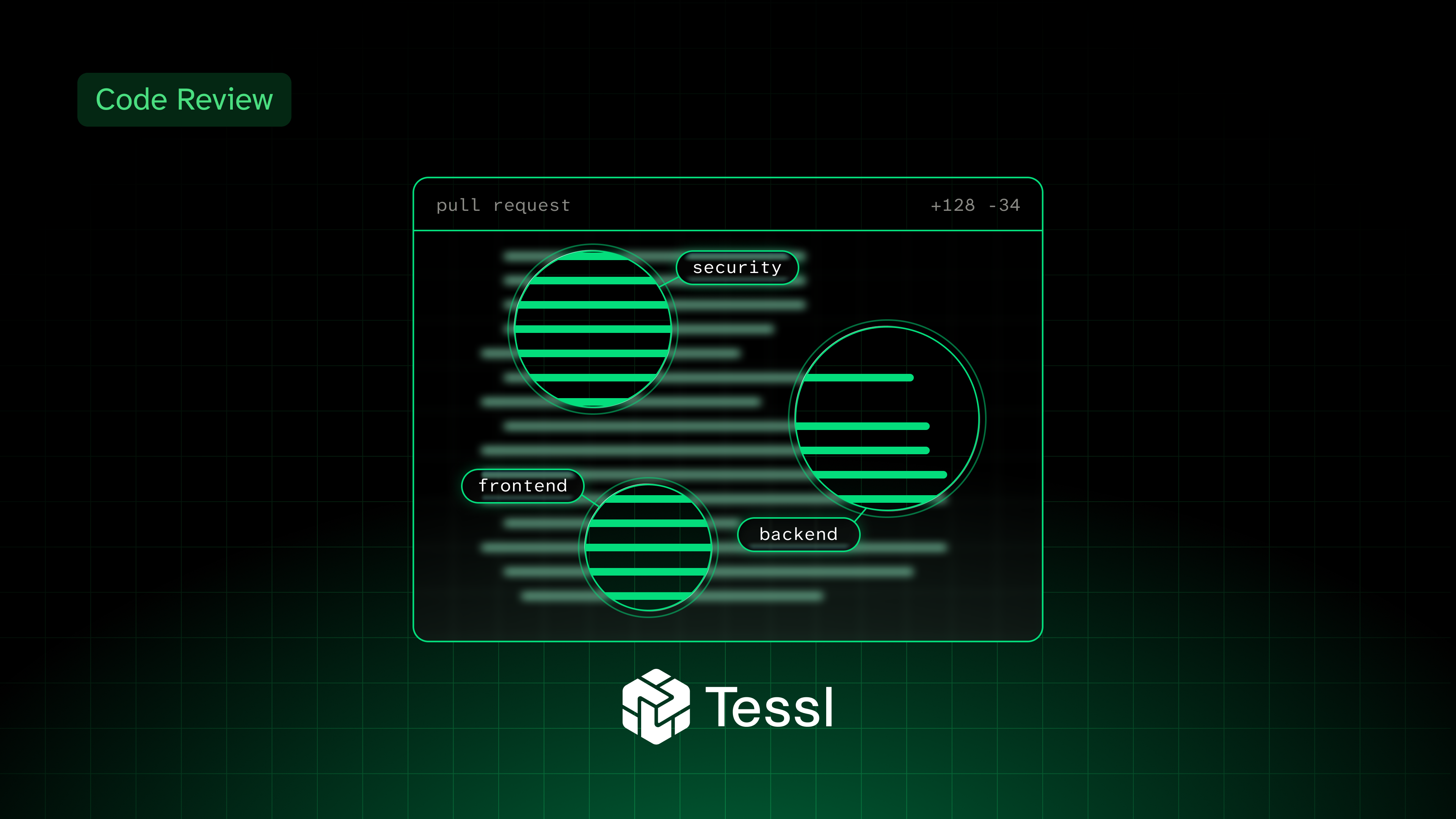
Amp has introduced a new review-focused agent designed to help developers examine and understand code changes with greater structure and depth.
GitHub is bringing persistent memory to Copilot, allowing it to retain repository-level context across sessions. This enhances code suggestions and reviews by building on accumulated developer interactions over time.
As AI agents handle longer-running development work, the way context is compressed can determine whether critical information is preserved or lost.
Cursor’s acquisition of Graphite aims to unify code creation and review, and in the process brings the company closer to territory long dominated by GitHub.
2025 was the year AI-assisted coding grew up. What started as a wave of "vibe coding" — rapid prototyping, prompt-driven experiments, and disposable applications — matured into something more disciplined: spec-driven development, production-grade agents, and an ecosystem that's finally grappling with real-world constraints. At AI Native Dev, we've had a front-row seat. Through 140+ articles, 88 podcast episodes, and two DevCon events, we've tracked every twist in this fast-moving space. Here's our look back at the year that changed how software gets built.
Google's Gemini 3 Flash promises a more cost-effective, high-throughput language model optimized for low-latency use-cases.
As AI coding agents land deeper in development workflows, organizations seek metrics to assess usage, prompting vendors like GitHub and Continue to enhance visibility into tool performance and adoption.
Letta Code is a memory-driven coding agent that retains context over time, challenging stateless models and offering developers a flexible, open source solution to enhance productivity and reliability in coding tasks.